How to Maintain Your AC Blower Housing for Longevity
Understanding HVAC Blower Housing
What is HVAC Blower Housing?
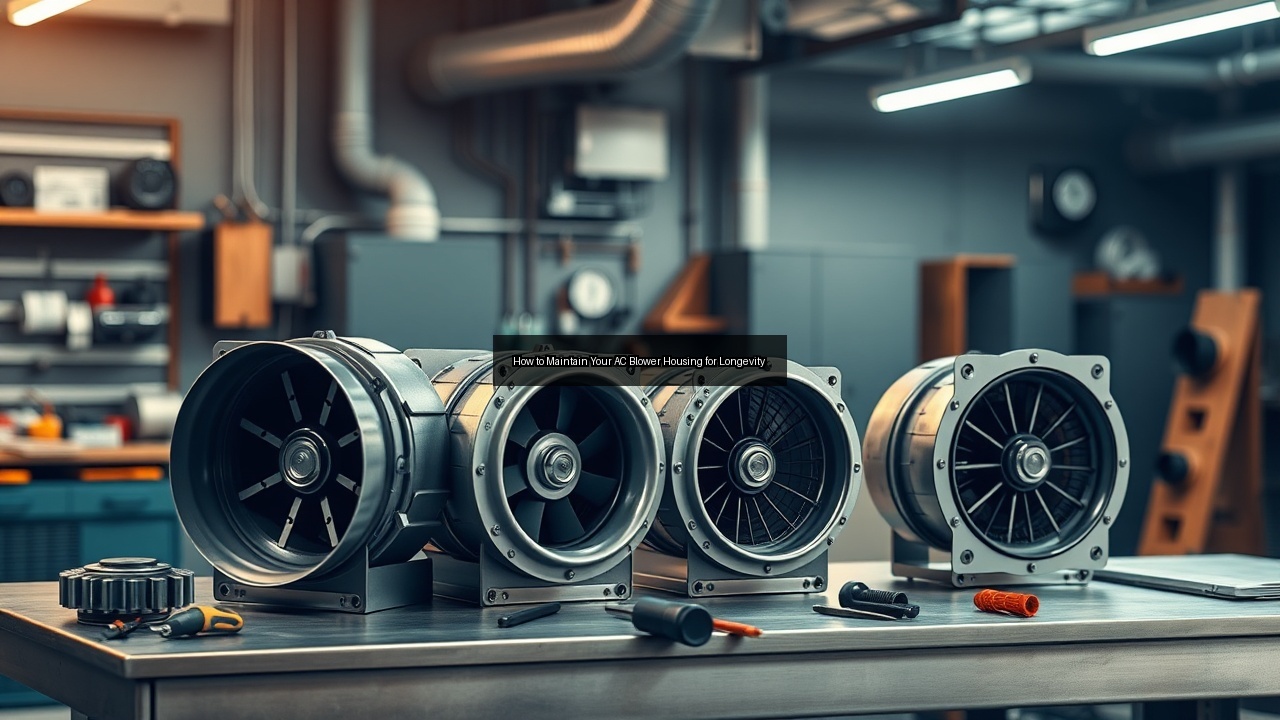
The HVAC blower housing serves as the protective enclosure that surrounds the blower fan assembly in heating and cooling equipment. This component directs airflow efficiently through the furnace or air conditioner while shielding internal parts from external damage. Technicians often inspect the blower housing assembly during routine service calls because cracks or corrosion here can reduce overall system performance. Proper maintenance of the HVAC blower housing prevents debris buildup that restricts air movement and strains the motor. Homeowners benefit when they recognize early signs of wear on this cage-like structure, as timely attention extends equipment life. Manufacturers design these housings from galvanized steel or durable composites to withstand constant vibration and temperature changes common in HVAC systems.
Importance of Blower Fans in HVAC Systems
Blower fans move conditioned air throughout ducts and into living spaces, making them essential for balanced temperatures in any HVAC system. Without reliable blower fans, the entire setup loses efficiency and struggles to maintain comfort during extreme weather. The blower housing keeps these fans aligned and protected so they operate at peak capacity for years. Regular attention to blower fans reduces noise complaints and prevents uneven airflow that leaves some rooms too hot or cold. HVAC professionals emphasize that clean, well-maintained blower fans lower energy bills by reducing motor strain. When blower fans work correctly inside their housing, the furnace and air conditioner deliver consistent performance without frequent breakdowns.
Types of Blower Motors
Blower motors come in several designs, including single-speed, multi-speed, and variable-speed models that power the fans inside the HVAC blower housing. Single-speed motors run at full capacity whenever the system activates, offering simple operation at lower upfront cost. Multi-speed and variable-speed options adjust output based on demand, improving comfort and reducing electricity use over time. Selecting the right motor type depends on the existing HVAC system layout and desired efficiency levels. Variable-speed motors often pair with advanced controls that minimize wear on the blower housing components. Understanding these differences helps technicians match replacements correctly and avoid compatibility issues during repairs.
Maintenance Tips for Longevity
Regular Cleaning of Blower Housings
Dirt accumulation inside the blower housing restricts airflow and forces the motor to work harder than necessary. Technicians recommend removing the access panel every few months to vacuum loose debris from the cage and fan blades. A soft brush attachment reaches tight corners without scratching metal surfaces. Cleaning the blower housing assembly prevents rust formation that weakens structural integrity over time. Homeowners who schedule this task alongside seasonal HVAC checks notice fewer service calls and steadier performance from their air conditioner and furnace. Consistent attention to blower housings also improves indoor air quality by limiting dust recirculation through ducts.
Inspecting and Replacing Air Filters
Clogged air filters place extra load on blower fans and accelerate wear inside the HVAC blower housing. Monthly visual checks reveal when filters need replacement, especially during heavy pollen or pet dander seasons. High-quality pleated filters capture more particles without restricting airflow as severely as cheap fiberglass versions. Proper filter maintenance protects the blower housing from excessive dust that settles on bearings and motor windings. HVAC systems equipped with clean filters maintain better static pressure and extend component life. Replacing filters on schedule also supports warranty compliance for many furnace and air conditioner models currently in use.
Lubrication of Ball Bearings
Ball bearings support the blower shaft and reduce friction during continuous operation. Over time, factory grease dries out, leading to squealing noises and eventual motor failure. Applying manufacturer-specified lubricant to accessible ports keeps the HVAC blower housing running smoothly for additional seasons. Technicians advise against over-lubrication because excess oil attracts dust that forms abrasive paste. Proper care of ball bearings prevents vibration that loosens mounting screws and damages the surrounding cage structure. Regular lubrication schedules vary by motor type, so owners should consult equipment manuals before performing this task.
Checking for Dust and Debris
Even with good filtration, fine particles migrate into the blower housing and settle on fan blades and motor surfaces. Quarterly inspections allow early detection of buildup that could unbalance the assembly. Technicians use compressed air or vacuum tools to clear debris without disassembling the entire unit. Neglected dust inside blower housings reduces efficiency and raises operating temperatures that shorten motor life. Homeowners who monitor this area routinely report quieter operation and fewer unexpected shutdowns from their HVAC systems. Thorough checks also identify loose insulation or damaged seals that allow additional contaminants to enter.
Common Issues and Troubleshooting
Identifying Signs of Wear and Tear
Excessive vibration, unusual rattling, or reduced airflow often indicate developing problems within the HVAC blower housing. Visual inspection reveals bent fan blades, cracked mounting brackets, or corroded metal surfaces that compromise performance. Technicians measure motor amperage to detect early overload caused by restricted movement or debris. Addressing wear promptly prevents minor issues from escalating into full system failures during peak cooling or heating periods. Homeowners benefit from learning these indicators because they enable proactive scheduling rather than emergency repairs. Consistent observation of blower fans and their housing extends overall equipment reliability.
Troubleshooting Blower Fan Problems
When blower fans fail to start or run intermittently, the first step involves verifying power supply and checking the capacitor connected to the motor. Obstructions inside the HVAC blower housing can also prevent rotation, requiring careful removal of foreign objects. Technicians test motor windings for continuity and inspect wiring connections for corrosion or looseness. Systematic troubleshooting isolates whether the issue lies with controls, the motor itself, or mechanical binding in the housing assembly. Quick diagnosis minimizes downtime and avoids unnecessary part replacements. Proper records of past issues help refine future maintenance plans for the entire HVAC system.
When to Replace the Blower Housing
Severe corrosion, large dents, or cracked seams in the HVAC blower housing usually signal the need for replacement rather than continued repair. Persistent vibration after bearing service often points to housing distortion that affects fan alignment. Replacement becomes necessary when damage allows air leakage that reduces system efficiency and raises utility costs. Technicians compare OEM specifications to ensure the new housing matches existing duct connections and motor size. Delaying replacement risks further damage to blower fans and motors, leading to higher repair expenses. Timely upgrades restore proper airflow and protect the furnace or air conditioner from related strain.
Choosing the Right OEM Parts
Understanding OEM vs Aftermarket Parts
OEM components match original equipment specifications exactly, ensuring proper fit and performance within the HVAC blower housing. Aftermarket alternatives sometimes offer lower prices but may vary in material thickness or dimensional tolerances. Using OEM blower housings and motors preserves warranty coverage and maintains designed efficiency levels. Technicians prefer OEM because these parts undergo the same quality testing as factory-installed items. Aftermarket options require careful evaluation of reviews and compatibility data before purchase. Selecting correctly avoids repeated service visits caused by ill-fitting replacements in HVAC systems.
Factors to Consider When Purchasing a Blower Housing
Size, material gauge, and mounting configuration must align with the existing furnace or air conditioner before ordering a new HVAC blower housing. Checking motor shaft diameter and fan wheel dimensions prevents installation delays. Brand reputation influences long-term durability, as established manufacturers provide consistent quality across production batches. Owners should verify warranty terms on the replacement part itself to protect the investment. Professional installation ensures correct alignment and prevents vibration that shortens service life. Researching supplier lead times also helps schedule maintenance during milder weather periods.
How Brand Quality Affects Longevity
Premium brands invest in corrosion-resistant coatings and reinforced seams that extend HVAC blower housing life under demanding conditions. Lower-cost options may use thinner metal that flexes and develops cracks sooner. Consistent brand quality reduces the frequency of part replacements and maintains steady airflow performance. Feedback from other HVAC technicians highlights models that resist dust accumulation better than competitors. Investing in respected brands supports overall system reliability and lowers lifetime ownership costs. Homeowners who prioritize brand reputation experience fewer disruptions from their air conditioner and furnace operations.
Maximizing Warranty and Feedback
Understanding Warranty Terms for HVAC Equipment
Manufacturer warranties typically cover defects in the HVAC blower housing and related components for five to ten years when proper maintenance records exist. Coverage often excludes damage from neglected air filters or improper lubrication of ball bearings. Owners must register equipment promptly and retain receipts for filter changes and inspections. Reading the fine print reveals exclusions related to aftermarket modifications or unauthorized repairs. Following recommended service intervals keeps claims valid and protects against unexpected replacement costs. Clear understanding of warranty conditions supports informed decisions about ongoing care for blower fans and motors.
Utilizing Customer Feedback for Better Maintenance
Online reviews and technician forums provide practical insights into common failure points of specific blower housing models. Homeowners learn which cleaning methods and replacement intervals deliver the best results from real-world experiences. Feedback often highlights effective products for reducing dust buildup inside the cage assembly. Sharing personal maintenance outcomes contributes to collective knowledge that improves HVAC system reliability industry-wide. Regular review of user comments helps identify emerging issues before they affect individual equipment. This approach refines care routines and extends service life beyond basic manufacturer guidelines.
Best Practices for HVAC System Care
Annual professional tune-ups combined with homeowner diligence create a comprehensive strategy for protecting the HVAC blower housing. Scheduling filter changes, bearing lubrication, and debris removal prevents cumulative damage that leads to premature failure. Documenting all service activities supports warranty claims and tracks performance trends over multiple seasons. Educating household members about airflow restrictions caused by closed vents or blocked returns further safeguards blower fans. Consistent application of these practices maintains efficiency and comfort while minimizing repair frequency. Long-term attention to blower housings, motors, and related components delivers reliable operation from the entire HVAC system.