Why Investing in Quality Oil Storage Tanks Matters
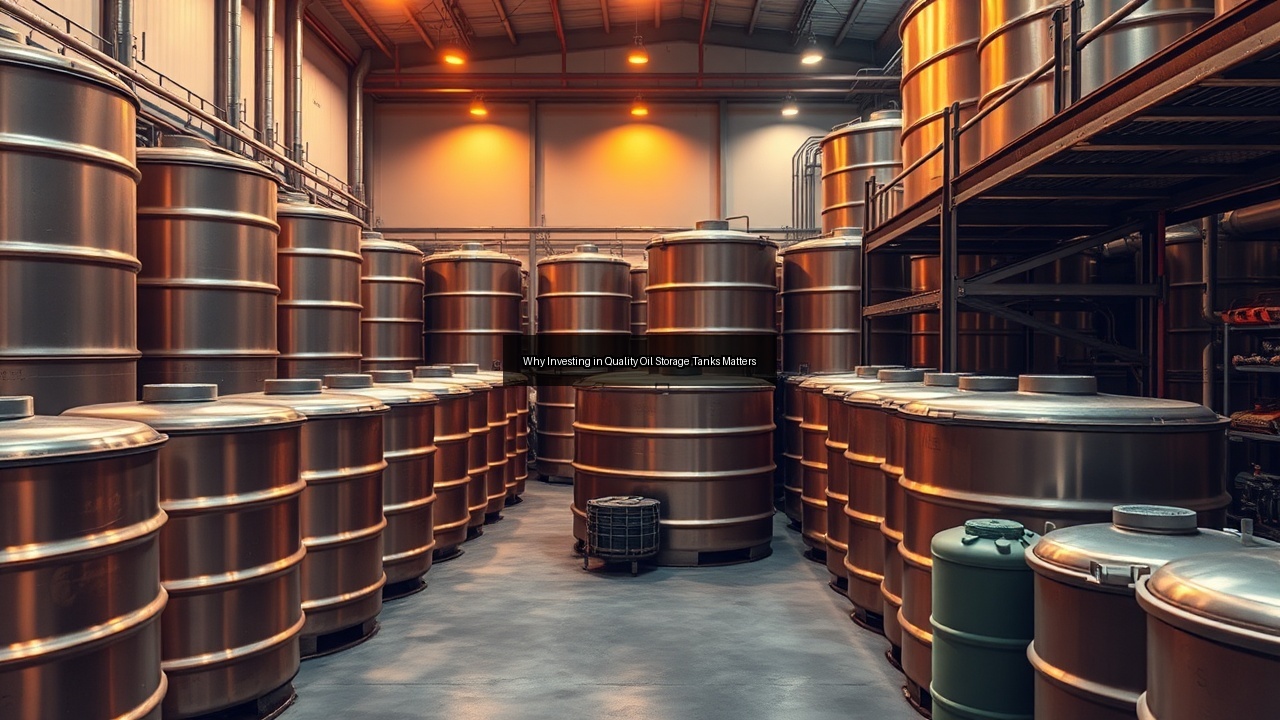
The Importance of Quality Oil Storage Tanks
Understanding Oil and Gas Storage Needs
Oil storage containers play a critical role in the oil and gas industry. Companies rely on these tanks to store crude oil, refined products, and lubricants safely and efficiently. The diverse nature of oil products necessitates various storage solutions tailored to specific needs. For instance, some products require temperature control, while others may need protection from environmental contaminants. Investment in quality oil storage tanks ensures that these products remain in optimal condition, reducing the risk of spoilage or degradation. With fluctuating oil prices and increasing demand for reliable energy sources, understanding the storage needs becomes even more vital for businesses in this sector.
The Role of Oil Storage Containers in Industry
Oil storage tanks serve as the backbone of oil distribution networks. They facilitate the safe transport of oil from extraction sites to refineries and eventually to consumers. These containers must withstand various external conditions, including extreme temperatures and environmental factors. Quality tanks ensure that oil maintains its integrity throughout the storage process. Additionally, they provide essential data for inventory management, allowing companies to track oil levels accurately. This ensures efficient logistics and helps avoid costly overflows or shortages. The role of oil tanks extends beyond mere storage; they are integral to operational efficiency and sustainability in the industry.
Benefits of Investing in Quality Tanks
Investing in quality oil storage tanks offers significant advantages. First, these tanks are built to last, often constructed from durable materials that resist corrosion and wear. High-quality tanks also come equipped with advanced features, such as leak detection systems and pressure relief valves, enhancing safety and compliance with regulatory standards. Furthermore, investing in reliable storage solutions can reduce maintenance costs over time, as they require fewer repairs and replacements. Quality tanks also offer better insulation properties, which can minimize temperature fluctuations, ultimately preserving the quality of the stored oil. Overall, the long-term benefits of investing in quality oil storage containers outweigh the initial costs, making it a wise decision for any company in the oil sector.
Types of Oil Storage Containers
Overview of Oil Tanks and Their Uses
Oil storage containers come in various forms, each designed to meet specific needs within the oil and gas industry. Above-ground storage tanks (ASTs) are common for their accessibility and ease of maintenance. These tanks often hold large volumes ranging from thousands to millions of gallons. In contrast, underground storage tanks (USTs) provide added protection against environmental hazards and are often used for more volatile substances. Additionally, portable storage tanks and drums offer flexibility for temporary or mobile applications. Each type of oil tank has its own set of regulatory requirements and best practices for installation and operation, making it crucial for businesses to choose the right container based on their specific storage needs.
Plastic vs. Metal Storage Tanks
Choosing between plastic and metal storage tanks involves weighing various factors, including cost, durability, and usage. Plastic tanks offer lightweight and corrosion-resistant options, making them suitable for storing non-flammable liquids and various lubricants. Their lower cost also makes them an attractive choice for smaller operations or temporary setups. Metal tanks, on the other hand, provide superior durability and security, especially for volatile substances. They withstand extreme weather conditions and are less prone to damage from UV rays. The choice ultimately depends on the specific oil storage requirements, the type of oil being stored, and the operational environment.
Gravity Feed Systems for Efficient Storage
Gravity feed systems represent an effective method for oil storage and distribution. These systems rely on gravity to transfer oil from one container to another, minimizing the need for pumps and reducing energy consumption. This efficiency not only cuts costs but also simplifies the logistics of oil handling. Gravity feed systems can be integrated into various tank designs, enhancing versatility in storage solutions. The ability to utilize gravity for movement allows companies to operate in a more environmentally friendly manner, as it reduces the risk of spills associated with mechanical handling. Companies looking to optimize their oil storage practices should consider implementing gravity feed systems as a part of their overall strategy.
Key Considerations When Choosing Oil Storage Tanks
Capacity and Volume: Gallons, Liters, and Quarts
When selecting oil storage containers, capacity is a fundamental consideration. Understanding the volume of oil your operation requires is crucial for determining the appropriate tank size. Tanks come in various capacities, measured in gallons, liters, and quarts, allowing businesses to choose options that align with their storage needs. Oversized tanks can lead to increased costs and reduced efficiency, while undersized tanks may result in frequent refills and interruptions in operations. Assessing current and future storage needs ensures that companies invest in the right size tanks, optimizing their operations while minimizing unnecessary expenses.
Durability and Material Selection
The durability of oil storage tanks hinges on the material used in their construction. Metal tanks often provide robust solutions for storing more aggressive substances, while plastic containers offer flexibility and resistance to certain chemicals. Understanding the properties of various materials is essential for selecting tanks that will withstand specific environmental conditions. Factors such as exposure to sunlight, temperature extremes, and the type of oil being stored all influence material choice. Investing in durable materials not only extends the lifespan of the tanks but also minimizes risks associated with leaks and spills, ensuring compliance with safety regulations.
Safety Features and Compliance Standards
Safety features are non-negotiable when investing in oil storage tanks. Tanks should come equipped with features such as secondary containment systems, pressure relief valves, and monitoring systems to detect leaks early. Compliance with local and national regulations is paramount to avoid hefty fines and legal issues. Organizations like OnePetro provide valuable resources on industry standards and best practices for oil and gas storage. Prioritizing safety and compliance not only protects your investment but also safeguards the environment and public health. A well-designed tank system minimizes risks and enhances operational reliability.
Maintenance and Best Practices for Oil Storage
Regular Inspections and Maintenance Tips
Ongoing maintenance is critical for ensuring the longevity and efficiency of oil storage tanks. Regular inspections help identify potential issues oil container before they escalate into costly problems. Companies should develop a maintenance schedule that includes checking for leaks, corrosion, and structural integrity. Cleaning tanks periodically prevents contamination and ensures the quality of the stored oil. Proper documentation of maintenance activities is essential for compliance and accountability. By investing time and resources into regular inspections and maintenance, companies can extend the life of their oil tanks and maintain optimal storage conditions.
Proper Lubrication and Handling of Oils
Effective storage goes hand in hand with proper lubrication practices. Understanding the specific requirements for lubricants and oils is vital to maintaining their quality during storage. Each product may have different storage conditions, including temperature and humidity levels, which can impact performance. Proper handling techniques, like using the right tools to transfer oils, minimize contamination and preserve the integrity of the products. Implementing best practices for lubrication not only enhances operational efficiency but also contributes to a safer working environment for employees and the surrounding community.
Environmental Considerations and Spill Prevention
Environmental considerations are paramount in the oil storage industry. Spill prevention measures must be in place to protect ecosystems from potential contamination. Quality oil storage tanks should be equipped with secondary containment systems to capture any spills or leaks. Companies should also develop spill response plans outlining immediate actions and responsibilities in case of an incident. Training employees on these protocols ensures a swift and effective response, mitigating environmental impacts. By prioritizing environmental responsibility, companies enhance their reputation and align with growing public demand for sustainable practices in oil and gas storage.
See Also
- How to Optimize Your Oil Storage for Safety and Efficiency
- Choosing Between Plastic and Metal Oil Tanks for Safe Storage Solutions
- Choosing Between Metal and Plastic Containers for Oil Storage
- Creating a Safe and Compliant Oil Storage Area
- How to Ensure Safety and Compliance in Your Oil Storage Practices